Advanced concrete solutions for freeze-thaw cycles present critical advantages in real estate. These innovations enhance durability and structural integrity, effectively combating micro-crack development and spalling. By integrating air-entrained and high-performance mixtures, properties achieve prolonged lifespans. The economic implications are significant, with reduced maintenance costs and lower lifecycle expenses. However, the selection of appropriate concrete solutions requires careful consideration of various criteria. What factors should developers prioritize to maximize these benefits?
Key Takeaways:
- Advanced concrete solutions enhance durability, reducing maintenance costs and ensuring long-term performance in freeze-thaw environments.
- Implementation of air-entrained and high-performance mixes minimizes water infiltration, decreasing the risk of cracks and spalling.
- Using fiber reinforcement improves structural integrity, providing better resistance against cyclic temperature stresses in real estate projects.
- Increased resistance to freeze-thaw damage can lead to lower insurance premiums and higher property values, boosting investment returns.
- Selecting appropriate concrete solutions based on local climate and historical performance ensures compliance and enhances community resilience.
What You Need to Know About Freeze-Thaw Cycles and Concrete?
Freeze-thaw cycles pose a considerable challenge to concrete integrity, particularly in regions subject to extreme temperature fluctuations. During these cycles, water infiltrates concrete, expands upon freezing, and contracts when thawing, leading to micro-cracks and eventual material degradation. The risk of spalling and reduced structural performance is heightened when proper precautions are not taken. Understanding these dynamics is vital for professionals in real estate, as compromised concrete can greatly affect property value and safety. Implementing effective concrete solutions for freeze-thaw cycles is fundamental. These solutions may include using air-entrained concrete, optimizing mix designs, or employing protective sealants. By addressing these challenges proactively, stakeholders can guarantee longevity and durability in concrete applications, fostering a sense of security for residents and investors alike.
Top Concrete Solutions for Freeze-Thaw Resistance
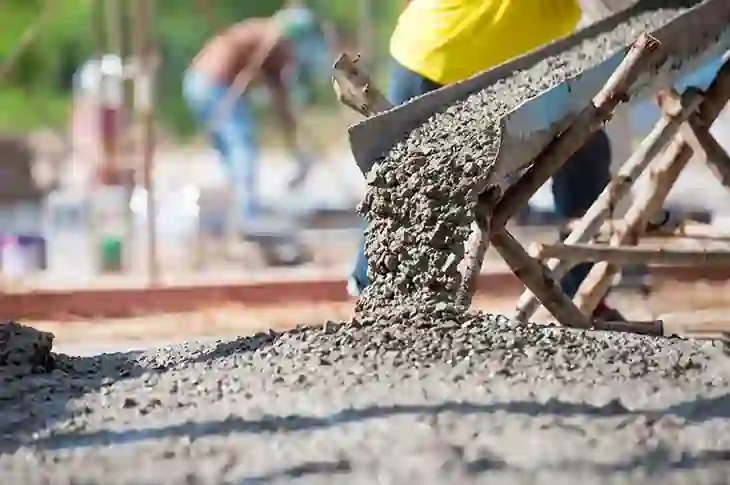
When considering durability in concrete applications, selecting the appropriate solutions for freeze-thaw resistance is essential. Advanced concrete solutions include air-entrained concrete, which incorporates microscopic air bubbles to mitigate internal pressure caused by freeze-thaw cycles. Additionally, the use of high-performance concrete mixtures, enriched with supplementary cementitious materials, enhances overall durability and minimizes porosity. Chemical admixtures such as water-reducing agents improve workability while guaranteeing lower water content, further reducing freeze-thaw susceptibility. Fiber reinforcement also provides structural integrity, allowing the concrete to withstand the stresses associated with cyclic temperature changes. By implementing these top concrete solutions for freeze-thaw cycles, stakeholders in real estate can secure longevity and resilience in their structures, fostering a sense of community and stability.
Cost Benefits of Concrete Solutions for Freeze-Thaw Cycles
Implementing advanced concrete solutions for freeze-thaw cycles not only enhances durability but also presents significant cost benefits for real estate stakeholders. By employing these specialized materials, property developers can reduce maintenance and repair expenses, as structures exhibit improved resistance to cracking and deterioration. This longevity translates to lower lifecycle costs, ensuring that investments yield higher returns. Moreover, the initial cost of advanced concrete solutions is often offset by diminished insurance premiums and increased property value due to enhanced structural integrity. The efficiency of these solutions minimizes downtime and construction delays, additionally contributing to financial savings. Ultimately, leveraging concrete solutions for freeze-thaw cycles proves to be a prudent financial strategy, fostering both resilience and economic viability in real estate projects.
Criteria for Selecting the Best Concrete Solutions for Your Project
How does one determine the most suitable concrete solutions for freeze-thaw cycles in a given project? Several criteria must be meticulously evaluated. First, the local climate conditions are paramount; projects in regions with severe temperature fluctuations necessitate high-performance materials. Second, the concrete’s composition should include additives such as air-entraining agents to enhance durability. Third, reviewing the historical performance of specific concrete solutions for freeze-thaw resistance can provide valuable insights. Additionally, understanding the project’s budget constraints while balancing quality is essential. Finally, consulting industry standards and guidelines can aid in selecting certified solutions that meet both performance and safety requirements. By systematically addressing these factors, project stakeholders can confidently choose the most effective concrete solutions for freeze-thaw cycles.
Case Studies: Successful Applications of Concrete Solutions for Freeze-Thaw Cycles
Numerous case studies illustrate the effectiveness of advanced concrete solutions for freeze-thaw cycles across various projects. In one instance, a commercial building in a northern climate utilized high-performance concrete with air-entraining agents, resulting in a 30% reduction in freeze-thaw damage over a decade. Another project involved a residential development where the incorporation of pozzolanic materials enhanced durability, effectively mitigating cracking and spalling. Additionally, a municipal infrastructure upgrade demonstrated the benefits of using fiber-reinforced concrete, which improved structural integrity under cyclic temperature variations. These examples underscore the importance of selecting appropriate concrete solutions for freeze-thaw cycles, ultimately fostering resilience and longevity in real estate developments. The successful applications reinforce a commitment to quality and sustainability in construction practices.
Frequently Asked Questions
How Do Freeze-Thaw Cycles Affect Different Concrete Types?
Freeze-thaw cycles greatly impact various concrete types, leading to cracking, spalling, and reduced durability. Advanced concrete solutions for freeze-thaw cycles enhance resistance, ensuring longevity and structural integrity in diverse environmental conditions.
Can Advanced Concrete Solutions Reduce Maintenance Needs?
Advanced concrete solutions effectively reduce maintenance needs by enhancing durability against freeze-thaw cycles. Their superior resistance minimizes cracking and deterioration, ultimately leading to lower repair costs and longer lifespan, benefiting both property owners and the broader community.
What Is the Lifespan of Advanced Concrete Solutions?
Advanced concrete solutions typically offer a lifespan of 30 to 50 years, considerably surpassing conventional materials. Their durability against freeze-thaw cycles reduces the need for frequent repairs, enhancing long-term performance and reliability in various applications.
Are There Environmental Impacts From Using These Concrete Solutions?
The environmental impacts of advanced concrete solutions for freeze-thaw cycles can include reduced carbon emissions and improved resource efficiency. However, potential concerns arise from raw material extraction and energy consumption during production processes.
How Do Weather Conditions Influence Concrete Performance?
Weather conditions greatly influence concrete performance, as temperature fluctuations and moisture levels affect curing times, strength development, and susceptibility to freeze-thaw cycles, ultimately impacting durability and structural integrity in various environmental contexts.
Conclusion
Incorporating advanced concrete solutions for freeze-thaw cycles considerably enhances the durability and longevity of real estate structures. By mitigating micro-crack development and spalling, these solutions not only lower maintenance costs but also elevate property values and reduce insurance premiums. The strategic selection of high-performance mixtures ultimately fosters economic viability and community stability. As demonstrated in various case studies, the integration of these innovative materials is a prudent investment for developers and homeowners, ensuring resilience against environmental challenges.
You May Also Like To Read: