
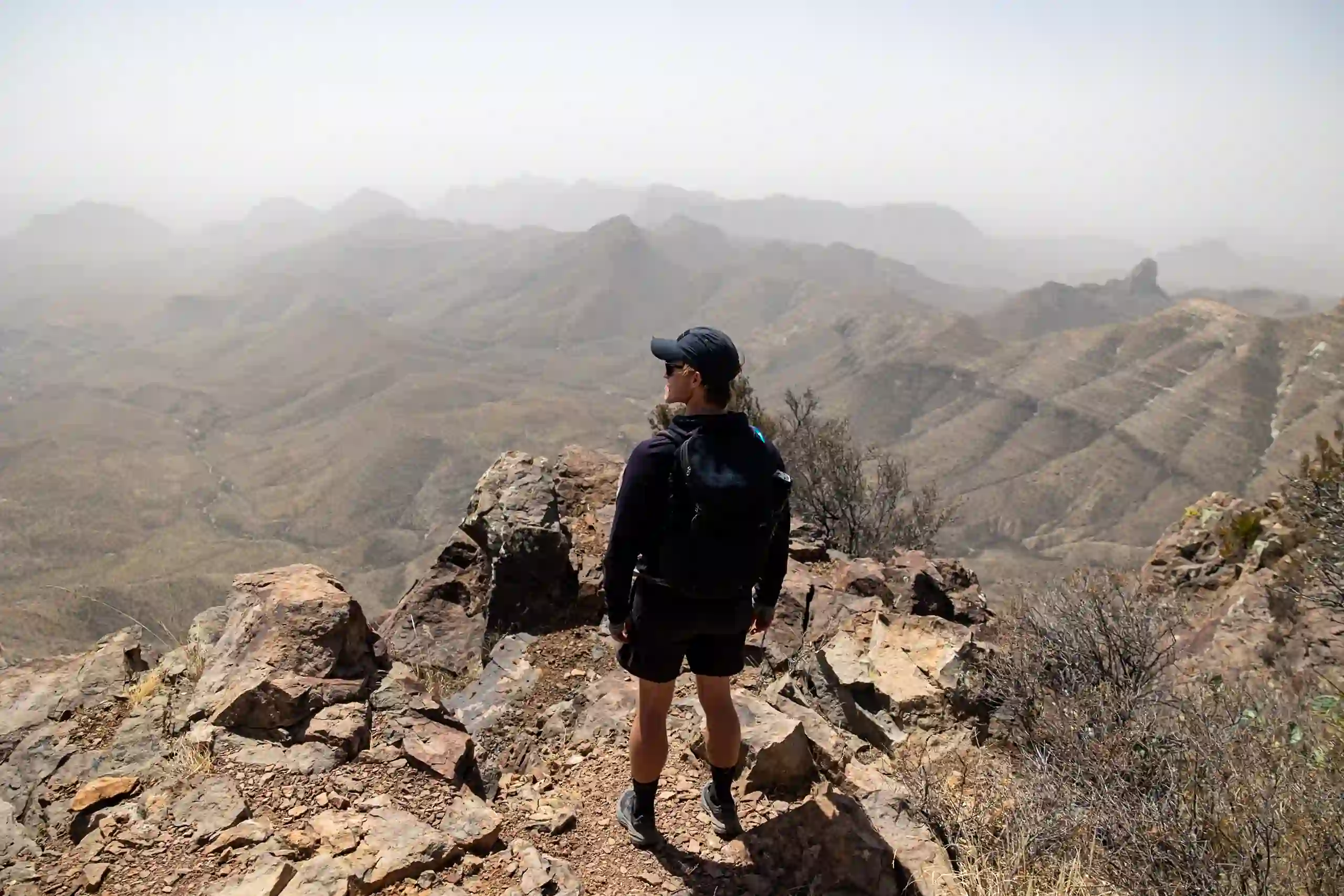
Big Bend National Park stands out as a premier destination for those seeking challenging hikes that test both body and mind. The park’s rugged terrain offers a unique blend of physical exertion and stunning vistas. Each strenuous trail, from the South Rim to Emory Peak, invites adventurers to push their limits. Yet, the rewards extend beyond fitness. Engaging with the harsh beauty of Big Bend might also reveal profound insights about resilience and community. What awaits on these trails?
Key Takeaways
- Challenging hikes in Big Bend engage multiple muscle groups, enhancing strength and overall fitness for an active lifestyle.
- Rigorous trails promote cardiovascular health, boosting endurance and stamina during outdoor activities.
- Navigating tough terrains cultivates mental resilience, helping individuals confront fears and build coping skills.
- Unique ecosystems along the hikes offer enriching experiences with diverse flora and fauna, enhancing appreciation for nature.
- Prioritizing safety and preparation fosters responsible hiking habits, ensuring a sustainable and enjoyable outdoor lifestyle.
What Makes Big Bend the Ultimate Destination for Challenging Hikes?
Big Bend National Park stands out as an ultimate destination for those seeking the hardest hikes, as its diverse landscapes offer both breathtaking beauty and formidable challenges. From rugged mountains to expansive desert vistas, the park’s terrain invites adventurers to push their limits. Trails like the South Rim and Emory Peak demand physical endurance and mental fortitude, rewarding hikers with panoramic views that make every effort worthwhile. The unique flora and fauna further enrich the experience, creating a sense of connection to nature that resonates deeply. With its remote setting, Big Bend fosters a community among hikers, uniting them through shared challenges. For those seeking the hardest hikes Big Bend has to offer, the park becomes a sanctuary for growth and discovery.
Physical Benefits of the Hardest Hikes in Big Bend
Taking on the hardest hikes in Big Bend offers numerous physical benefits that extend beyond mere exercise. These challenging trails engage multiple muscle groups, enhancing strength and endurance while promoting cardiovascular health. As hikers navigate rugged terrain, they develop improved balance and coordination, essential for both outdoor adventures and daily activities. The elevation changes encountered in Big Bend’s landscapes further boost stamina, making each ascent a rewarding test of physical capability. Additionally, the fresh air and natural surroundings contribute to increased lung capacity and overall wellness. Engaging in such demanding hikes fosters a sense of accomplishment and belonging within a community of fellow adventurers, encouraging a lifestyle that values health, resilience, and connection to nature.
How Tough Trails Enhance Your Mental Resilience
Maneuvering the toughest trails in Big Bend can cultivate a profound sense of mental resilience that extends far beyond the hike itself. Each challenging step demands focus, pushing hikers to confront their fears and limitations. As they navigate rocky terrains and steep ascents, individuals learn to embrace discomfort and uncertainty. This journey fosters a deeper understanding of personal strength and perseverance, laying the groundwork for coping with life’s broader challenges. The sense of accomplishment upon reaching a summit instills confidence, reinforcing the belief that hard work yields rewards. Furthermore, the shared experience with fellow hikers nurtures a sense of community, reminding participants that resilience is often built in the company of others. Consequently, these hardest hikes in Big Bend become transformative adventures.
Discovering Unique Ecosystems Along Big Bend’s Toughest Trails
Traversing the hardest hikes in Big Bend not only challenges physical limits but also opens up a world of diverse ecosystems waiting to be explored. Each trail unfolds a tapestry of life, showcasing unique flora and fauna that thrive in this rugged landscape. Hikers may encounter:
- Desert Scrub: Hardy plants like creosote and ocotillo, adapted to arid conditions.
- Riparian Zones: Lush areas along rivers, home to vibrant bird species.
- Mountainous Terrain: Elevations that support diverse microclimates.
- Chihuahuan Desert: A rich habitat for reptiles and unique wildflowers.
- Canyons and Cliffs: Geological formations that harbor rare species and breathtaking views.
These ecosystems not only enrich the hiking experience but also foster a deeper connection to nature, inviting hikers to appreciate the beauty of Big Bend’s environment.
Essential Safety Tips for Big Bend’s Hardest Hikes
Conquering the hardest hikes in Big Bend requires not only physical endurance but also a keen awareness of safety precautions. Hikers should prioritize preparation by researching trail conditions and weather forecasts, ensuring they are well-equipped for any surprises. Hydration is essential; carrying ample water can prevent exhaustion and heat-related illnesses. Proper footwear is vital for traversing rugged terrain, while a map and compass keep adventurers oriented. It’s also wise to hike with a buddy, fostering a sense of community and safety. Additionally, knowing wildlife safety and practicing Leave No Trace principles enhances both personal safety and the preservation of these pristine landscapes. By embracing these tips, hikers can fully enjoy the breathtaking beauty of Big Bend’s hardest hikes.
Frequently Asked Questions
What Gear Is Recommended for the Hardest Hikes in Big Bend?
For the hardest hikes in Big Bend, essential gear includes sturdy hiking boots, a reliable backpack, plenty of water, trekking poles, a first aid kit, sun protection, and weather-appropriate clothing to guarantee safety and comfort.
Are There Guided Tours Available for Difficult Trails in Big Bend?
Yes, guided tours are available for difficult trails in Big Bend. These expert-led excursions enhance safety and enjoyment, providing insights into the park’s unique landscapes, flora, and fauna, while fostering a sense of community among hikers.
What Is the Best Season for Hiking the Hardest Trails?
The best season for hiking the hardest hikes in Big Bend is spring or fall. During these months, temperatures are mild, allowing adventurers to fully appreciate the stunning landscapes and diverse wildlife without the sweltering heat.
How Do I Prepare Physically for These Challenging Hikes?
To prepare physically for the hardest hikes in Big Bend, individuals should focus on building endurance through regular cardiovascular workouts, strength training for core stability, and flexibility exercises to enhance agility and prevent injuries along challenging terrains.
Are There Shorter Alternatives to the Hardest Hikes in Big Bend?
Yes, numerous shorter trails in Big Bend provide stunning scenery and rewarding experiences. Options like the Window View Trail and the Chisos Basin Loop cater to various fitness levels while still immersing hikers in the park’s beauty.
Conclusion
To sum up, tackling the hardest hikes in Big Bend not only bolsters physical fitness but also fortifies mental resilience amid stunning landscapes. As adventurers navigate rugged terrains and diverse ecosystems, they cultivate a profound sense of achievement and camaraderie. The challenges faced along trails like South Rim and Emory Peak transform not just bodies, but minds, fostering personal growth and a deeper connection to nature. Embracing this adventure ultimately enriches one’s active lifestyle, leaving lasting memories and newfound strength.
You May Love to Read: