
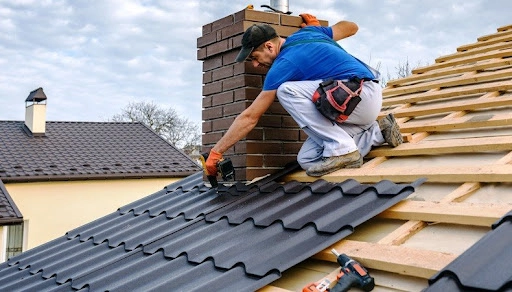
When homeowners face roofing issues, understanding the distinctions between roof replacement and reroofing is essential. Roof replacement entails the complete removal of the existing system, addressing underlying damage effectively. In contrast, reroofing involves layering new shingles over the old, a quicker and often less expensive choice. However, this method may not address deeper problems. The decision between these options hinges on various factors that warrant careful consideration.
Key Takeaways
- Roof replacement involves complete removal of old materials, while reroofing adds new shingles over existing layers.
- Reroofing is generally more cost-effective and quicker, but may not address underlying structural issues.
- Lifespan of a replaced roof is typically 20 to 30 years, whereas reroofing lasts about 15 to 20 years.
- Significant damage, multiple shingle layers, or outdated materials often necessitate roof replacement instead of reroofing.
- Engaging professionals for replacement ensures thorough assessment and long-term integrity, while reroofing may overlook critical repairs.
Understanding Roof Replacement
Roof replacement entails the complete removal of an existing roofing system and the installation of a new one. This process is often necessary when the current roof has sustained significant damage or is nearing the end of its lifespan. Unlike reroofing, which involves layering new shingles over existing ones, roof replacement provides an all-encompassing solution to structural issues, ensuring long-term integrity and performance. It allows for the assessment of underlying materials and potential upgrades to insulation and ventilation systems. Homeowners considering roof replacement vs. reroofing must weigh factors such as cost, durability, and overall aesthetic appeal. Engaging with knowledgeable professionals can facilitate informed decisions, fostering a sense of community and security among homeowners seeking to protect their investments.
What Is Reroofing?
Reroofing is a process that involves applying a new layer of shingles over an existing roofing system without removing the old materials. This method is often chosen for its efficiency and cost-effectiveness, as it requires less labor and time compared to a complete roof replacement. Reroofing can enhance the aesthetic appeal of a home while providing an additional barrier against weather elements. However, it is vital to guarantee that the underlying structure is sound and capable of supporting the added weight of the new shingles. Homeowners should also be aware of local building codes, which may limit the number of layers allowed. Understanding the key differences between roof replacement and reroofing helps homeowners make informed decisions regarding their roofing needs.
Cost Considerations: Roof Replacement vs. Reroofing
When considering roofing options, cost is a significant factor that homeowners must evaluate. Roof replacement generally incurs higher expenses than reroofing due to the extensive nature of the work involved. This process includes the removal of existing materials, repairs to the underlying structure, and installation of new roofing. Conversely, reroofing typically involves applying a new layer over the existing roof, minimizing labor and disposal costs. While reroofing can be more budget-friendly, it may not address underlying issues that could lead to future expenses. Homeowners must weigh the immediate cost savings of reroofing against the potential long-term benefits of a complete roof replacement. Understanding the financial implications of roof replacement vs. reroofing is essential for informed decision-making.
Lifespan and Durability Differences
How do lifespan and durability compare between roof replacement and reroofing? Roof replacement typically results in a longer lifespan, often exceeding 20 to 30 years, depending on the materials used. This process involves completely removing the old roofing system, allowing for a thorough inspection and repair of underlying structures, which enhances overall durability. In contrast, reroofing involves adding a new layer over the existing roofing material, which may limit lifespan to around 15 to 20 years. While reroofing can be cost-effective, it does not address potential underlying issues, potentially compromising durability. As a result, homeowners must weigh these factors carefully in the roof replacement vs. reroofing debate to make informed decisions that guarantee the longevity and resilience of their homes.
When to Choose Roof Replacement Over Reroofing
Determining the appropriate course of action between roof replacement and reroofing requires careful consideration of various factors, particularly the condition of the existing roof. Homeowners should opt for roof replacement when the roof exhibits significant damage, such as extensive leaks, structural deterioration, or when multiple layers of shingles have accumulated. Additionally, if the roofing material is outdated and no longer meets modern standards, replacement is advisable. Roof replacement also becomes necessary when the underlying deck is compromised, as reroofing would not address these critical issues. Ultimately, choosing roof replacement over reroofing guarantees a long-term solution, enhancing the home’s value and structural integrity, while providing peace of mind for homeowners invested in maintaining their property.
Frequently Asked Questions
How Do Local Building Codes Affect Roof Replacement vs. Reroofing?
Local building codes greatly influence roof replacement vs. reroofing, dictating material choices, structural requirements, and installation practices. Compliance guarantees safety and longevity, ultimately affecting insurance, resale value, and the overall integrity of the home.
Can I Reroof Over Multiple Existing Layers?
Yes, one can reroof over multiple existing layers, but this practice may violate local building codes and potentially compromise structural integrity. It is advisable to consult a professional to guarantee compliance and safety standards are met.
What Materials Are Best for Roof Replacement?
Asphalt shingles, metal panels, and clay tiles are among the best materials for roof replacement. Each offers unique benefits, including durability, energy efficiency, and aesthetic appeal, ensuring homeowners can choose the ideal option for their needs.
How Long Does the Reroofing Process Typically Take?
The reroofing process typically takes one to three days, depending on roof size and complexity. Weather conditions and crew efficiency can also influence the timeline, ensuring homeowners receive timely updates throughout the project.
Will Insurance Cover Roof Replacement or Reroofing Costs?
Insurance coverage for roof replacement or reroofing costs depends on the policy specifics and damage type. Homeowners should consult their insurance provider to clarify coverage details and potential claims related to roof repairs or replacements.
Conclusion
To sum up, homeowners must carefully evaluate the distinctions between roof replacement and reroofing to make an informed decision. While roof replacement offers thorough remediation of underlying issues and enhanced durability, reroofing serves as a cost-effective, quicker alternative for less severe problems. Ultimately, the choice should align with the extent of existing damage and the homeowner’s long-term objectives, ensuring that the selected roofing solution meets both immediate needs and future expectations for the property’s integrity.
You May Also Like To Read: